
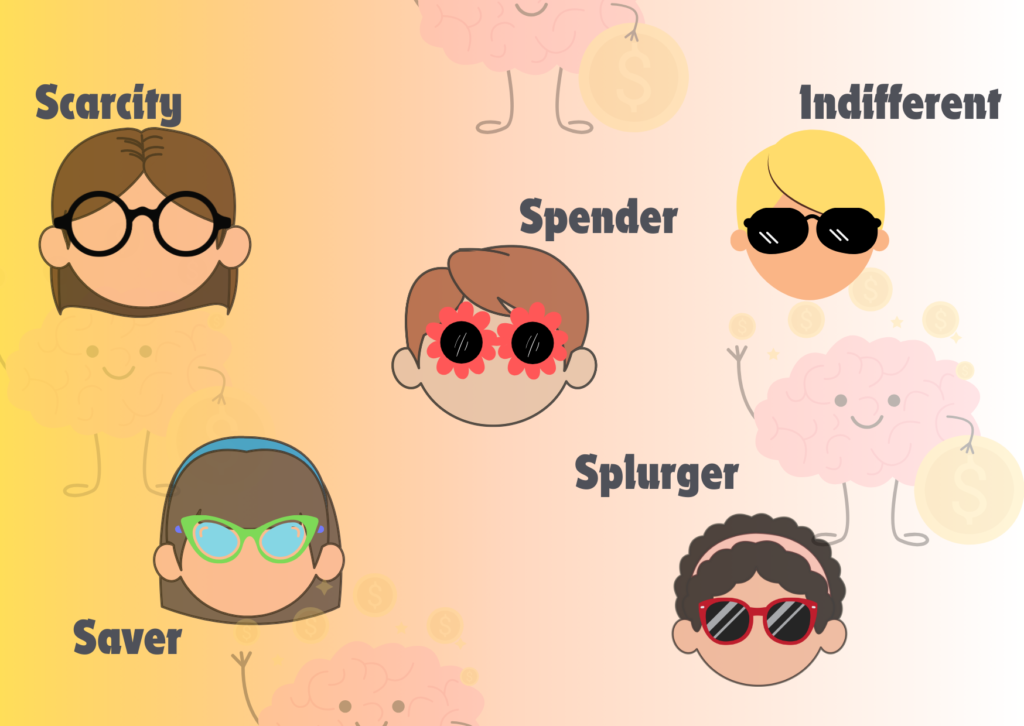
We all have different ideas about finances and money, often based on our gender, culture, societal influences and upbringing. These can influence how we approach spending, saving and earning money.
Your money mindset is pretty much your glasses through which you view the world of finances. A cloudy pair can make you miss opportunities in front of you and make navigating your path more challenging. Just like how wearing rose-tinted glasses can make everything brighter and more beautiful, having a positive money mindset can help to empower you develop healthy money habits.
Let’s take a look at some of the common glasses that many of us use to view finances and money.
Scarcity Jane
Jane believes there’s never money to go around, no matter how much or how little she has. Even with a decent wage and a comfortable living, she worries about running out of money. this can often prevent her from enjoying spending money on the things she likes and make her very risk adverse when it comes to finances.
A happy medium:
- Dig deeper into the worries: reflect on where the worries come from. Are they based on fears of the unknown, past experiences or influences from those who are around you?
- Mindful spending: why not consider planned small indulgences to enjoy your money? start with something little.
- Financial education: educate yourself around financial matters to build money confidence.
Saver Bianca
Bianca is good at saving money, can be cautious with taking financial risks. Spending large amounts of money can sometimes make her uncomfortable. She loves budgeting, bargain hunting and watch her savings grow over time. Some people consider her frugal but Bianca believes she’s just conscientious and prioritises a financial safety net.
A happy medium:
- Embrace balance: saving is super important, it is also important to enjoy the fruits of your hard work. You deserve it, so treat yourself occasionally.
- Have some fun goals: allocate a small portion to activities and things you love. This way, you can enjoy without the guilt.
Spender Jing
Jing believes money is just a tool to use to enjoy the present moment. She loves dining out, going on holidays and the latest gadgets. Jing finds it difficult to budget and don’t spend much time thinking about long-term planning. But she’s pretty optimistic about her finances and tend to underestimate financial risks.
A happy medium:
- Set goals: set financial goals (link back to previous blog) to provide direction and motivation.
- Mindful spending: create a budget to track your spending, it helps to make you more aware of where your money is going.
- Have a rainy day fund: life doesn’t always go your way. Start an emergency fund to prepare for those moments.
Splurger Caitlyn
Caitlyn usually manages her finances well, but when she deviates from the path, she is extravagant, with a capital E. She makes large and rather impulsive purchases, sometimes for a special occasion, but other times on a whim. This can be exhausting to go from one end to another, not to mention she can sometimes feel a bit disappointed in herself when she spends money so quickly that she worked so hard to save.
A happy medium:
- Have spending limits: set up limits, especially for spontaneous spending. You can decide in advance how much you can splurge without feeling the guilt afterwards
- Plan ahead for special occasions.
- Be aware of your spending triggers. Reflect on your spending habits and perhaps find other ways to address them.
Indifferent Aadhya
Aadhya doesn’t think about money, it’s just something to be used. As long as she’s got enough for her daily activities, then why should she? Setting a budget? Forget about it. Aadhya have allowed her partner to take care of their finances in the past too.
A happy medium:
- Understand your finances: it’s your finances after all so why not take some time to look at where your money is going.
- Have a basic budget: something simple to make sure you are tracking well against your financial goals and have a rainy-day fund for life’s tricky moments
- Be involved in financial decisions: even if you have no interest, or have someone else manages all the day-to-day, engage in the decision making process so you are both on the same page.
None of us are 100% one way or the other. Understanding your own mindset can help you to have a healthy and positive approach when it comes to your finances.
Do any of the mindsets resonate with you? How can you bring more balance to your financial life?

